
Why NYC Contractors Are Being Asked for $5M–$10M Insurance Limits — And What Most Don't Realize Until It's Too Late

If you're bidding construction projects in New York, you've noticed something: insurance requirements have gotten brutal. NYC Contractors, owners, developers, and agencies like the MTA are demanding coverage that goes way beyond what you've carried historically.
Why This Is Happening
New York Labor Law 240 and 241 — the Scaffold Law — imposes strict liability on property owners and general contractors for elevation-related worker injuries. Translation: if a worker gets hurt in a fall, the owner or GC can be held responsible regardless of fault. Even if the injury was caused by the worker's own negligence or a subcontractor's mistake, the owner and GC are on the hook.
That creates massive exposure for upstream parties. And predictably, they're pushing that risk down to you through insurance requirements.
What NYC Contractors Are Being Asked to Provide
$5M–$10M Umbrella/Excess Liability limits (not the $1M–$2M that used to be standard)
Specific Additional Insured endorsements like CG 20 10 and CG 20 37
Primary & Non-Contributory wording so your policy pays first
Waiver of Subrogation endorsements
Confirmation that policies allow Labor Law/Action-Over exposure (not excluded)
Exact certificate language required by GCs, developers, and public agencies — word-for-word
The Problem Most Contractors Don't See Coming
You assume your current policy covers it. You bid the job. You win the work. Then during contract review or certificate submission, you discover:
Your umbrella limit is too low
Your policy excludes Labor Law exposure
Your carrier won't issue the specific endorsements required
The certificate language doesn't match what's demanded
Getting compliant coverage means switching carriers mid-project
What Happens Next
Projects get delayed while you scramble to fix insurance
Start dates get pushed back
Your reputation takes a hit
In the worst cases, you lose the job entirely because you can't get compliant coverage in time
Or you get the coverage but the premium gap turns a profitable job into a loss
Why This Keeps Happening
Insurance compliance isn't just about having coverage — it's about having the right structure, right endorsements, right carrier relationships, and right documentation before you bid. A general commercial insurance agent doesn't understand the nuances of Labor Law 240 and 241. They don't know what MTA or major developers will demand. And you find out too late.
The MCP Advantage
Because My Construction Payroll focuses exclusively on construction companies in NY/NJ/PA, we help contractors structure payroll, insurance, and compliance documentation before it becomes an emergency:
Understand what endorsements you'll need before you bid
Make sure umbrella limits align with the markets you're targeting
Confirm your carrier will issue certificates with exact language required
Ensure workers comp under the PEO integrates with liability structure
Address Scaffold Law exposure proactively, not reactively
Contractors who wait until contract execution to deal with insurance are playing catch-up and losing work. The ones who win build compliance into their business structure from the start.
Don't Lose Your Next Project Over Insurance You Thought You Had
If you've been asked for insurance limits or endorsements that seem unreasonable, or you're worried your current coverage won't satisfy requirements on your next big job, address it now — not the day before mobilization.
Book A 15-Minute Discovery Call
We'll review your current setup, identify gaps that could cost you your next project, and show you how construction-focused payroll and risk management keeps you competitive when others are scrambling.
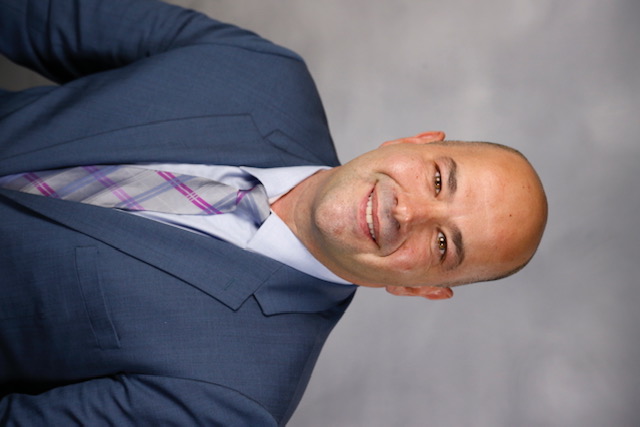
Meet Seth Vanunu:
Seth Vanunu, Executive Circle Award recipient and co-founder of My Construction Payroll,
has spent over 25 years pioneering the integration of PEO infrastructure with construction payroll compliance in the New York Tri-State area. While the industry treated payroll as paperwork, Seth recognized the strategic connection between Scaffold Law liability, workers compensation structure, certified payroll requirements, and insurance compliance — and co-built My Construction Payroll to give contractors the one thing traditional providers couldn't: a compliance structure that wins jobs instead of losing them. Thousands of contractors rely on Seth's expertise to navigate insurance requirements, prevailing wage mandates, and risk management challenges that would otherwise kill deals before they start.


Comments